

The SEC Just Made Crypto Its #1 Regulatory Priority Until 2030. Should You Be Worried?
Date Posted: July 7 2026
Let’s be real. When most people see news about the SEC and crypto, the first instinct is to brace for bad news.
This time, it’s actually the opposite.
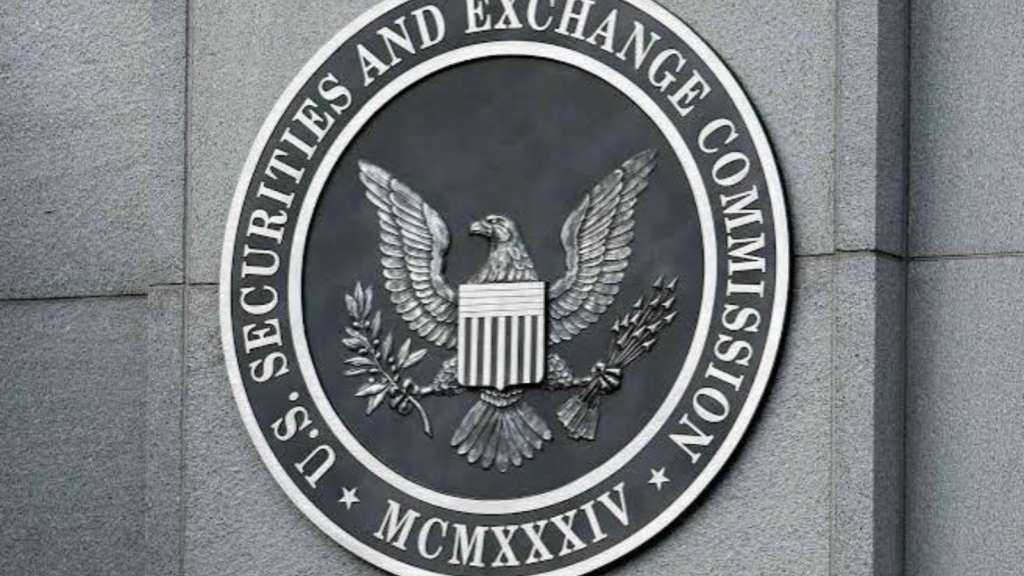
On June 2, 2026, the SEC published its Draft Strategic Plan for Fiscal Years 2026 through 2030, placing digital assets at the center of a broad regulatory reset under Chairman Paul Atkins. He called it “a new day at the SEC.”
Before you roll your eyes at the press-release language, here’s why this one is worth paying attention to.
What Changed and Why It Matters
For years, the SEC’s approach to crypto was basically: if we’re unsure about it, sue it. Enforcement first, rules later, clarity never.
That created a mess. Projects couldn’t tell if they were breaking the law. Investors didn’t know what was actually protected. And the whole industry just kind of guessed its way forward.
The strategic plan acknowledges that the growth of digital assets (Yes, you read it right) has outpaced existing regulations and calls for greater legal certainty for market participants.
That sentence alone is a big shift. The SEC is admitting the old way wasn’t working.
The SEC said blockchain and crypto technology have the potential to transform US financial infrastructure. Coming from a regulator that spent years treating crypto like a nuisance, that’s a pretty meaningful statement.
What’s Actually Being Targeted
The plan gets specific about what the SEC wants to clean up. The key areas:
- Custody — clearer rules for who can hold your crypto on your behalf, and what protections you have when they do
- Trading — how exchanges and platforms interact with existing securities law
- Staking — finally separating “staking as a service” from “staking as a securities offering”
- Tokenized assets — a real pathway for on-chain versions of stocks, bonds, and funds
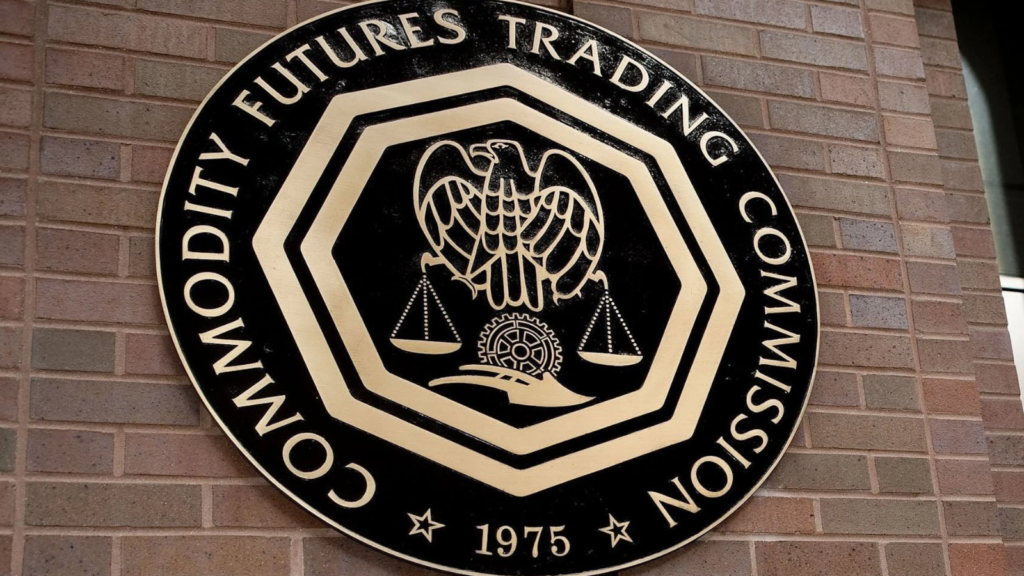
The SEC also plans to work with the CFTC on rules covering custody, trading, and staking. That last part is big. The ‘turf war’ between the two agencies has been one of the main reasons nothing ever got properly regulated. That said, it’s being sorted.
Who Feels This the Most
If you use a custodial exchange like Coinbase or Kraken to hold your crypto, this plan is very much about you. Not directly, but the companies you trust with your assets are about to operate under a lot more scrutiny.
Exchanges, custodians, brokers, token issuers, and DeFi-linked platforms may face stricter disclosure, reporting, and investor protection standards.
On paper that’s good. More accountability for the platforms holding billions of dollars of other people’s money sounds like a reasonable idea. The catch is that compliance costs money, and those costs tend to find their way to users in the form of higher fees, restricted assets, or more friction when withdrawing.
Platforms that can handle the new requirements will probably come out stronger. Smaller ones that can’t may quietly exit or change their terms.
What It Means If You Hold Your Own Keys
Here’s the short version: not much changes for you.
The SEC clarified that self-custodial wallet interfaces can operate without registering as broker-dealers, a significant carve-out for non-custodial platforms.
The rules being built are aimed at the middlemen, the companies that sit between you and your assets. If there’s no middleman because you’re holding your own keys, the new framework mostly passes over you.
Self-custody through a hardware wallet means no exchange counterparty risk. Your assets are not affected if an exchange freezes withdrawals, gets hacked, or files for bankruptcy. New SEC rules don’t change that math at all.

One Thing Worth Noting
This is still a draft. It was open for public comment through July 2, 2026. The final version will look different. And even after it’s finalized, specific rule proposals take years to write and implement.
So nothing is happening tomorrow. But the direction is locked in. Crypto is a top-line policy priority for US regulators through the end of the decade, and the people building exchanges, custody services, and DeFi platforms are already planning around it.
For regular holders, the smart move is just knowing which side of the line your setup sits on.

Crystep’s Take
The SEC focusing on custodial platforms is exactly the kind of regulatory pressure that makes Crystep’s non-custodial model more relevant. When the rules tighten around companies that hold your keys, you start to notice the difference between owning crypto and just having a balance on someone else’s platform.
Our clients keep full control of their assets at every step. No custodian in the middle means no exposure to whatever compliance drama those custodians end up dealing with.
If you’ve been thinking about what a properly structured self-custody setup looks like for your situation, we’re happy to walk through it.
or drop us a line at info@crystep.com
Disclaimer: This article is for informational purposes only and does not constitute financial, investment, or legal advice. The SEC’s Draft Strategic Plan for 2026–2030 referenced in this article was published on June 2, 2026, and remains subject to revision. Final regulatory rules have not been issued. Consult a qualified financial or legal advisor before making decisions about digital asset custody or investment structures. Crystep does not provide legal advice.